Web 3
The premise of 'Web 3.0' was coined by Ethereum co-founder Gavin Wood shortly after Ethereum launched in 2014. Gavin put into words a solution for a problem that many early crypto adopters felt: the Web required too much trust. That is, most of the Web that people know and use today relies on trusting a handful of private companies to act in the public's best interests.
What is Web3?
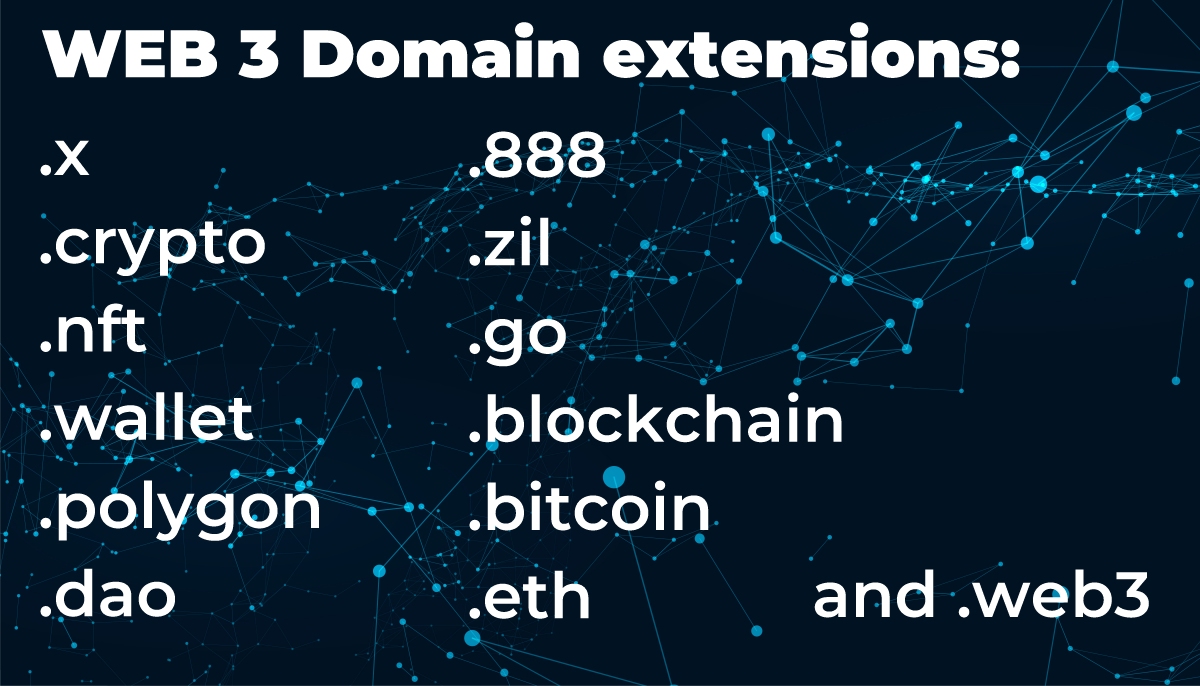
Web3 has become a catch-all term for the vision of a new, better internet. At its core, Web3 uses blockchains, cryptocurrencies, and NFTs to give power back to the users in the form of ownership
Core ideas of Web3
Although it's challenging to provide a rigid definition of what Web3 is, a few core principles guide its creation.
Web3 is decentralised: instead of large swathes of the internet controlled and owned by centralized entities, ownership gets distributed amongst its builders and users.
Web3 is permissionless: everyone has equal access to participate in Web3, and no one gets excluded.
Web3 has native payments: it uses cryptocurrency for spending and sending money online instead of relying on the outdated infrastructure of banks and payment processors.
Web3 is trustless: it operates using incentives and economic mechanisms instead of relying on trusted third-parties. Why is Web3 important?
Although Web3's killer features aren't isolated and don't fit into neat categories, for simplicity we've tried to separate them to make them easier to understand.
Ownership
Web3 gives you ownership of your digital assets in an unprecedented way. For example, say you're playing a web2 game. If you purchase an in-game item, it is tied directly to your account. If the game creators delete your account, you will lose these items. Or, if you stop playing the game, you lose the value you invested into your in-game items.
Web3 allows for direct ownership through NFT'S. No one, not even the game's creators, has the power to take away your ownership. And, if you stop playing, you can sell or trade your in-game items on open markets and recoup their value.
Censorship resistance
The power dynamic between platforms and content creators is massively imbalanced.
On Web3, your data lives on the blockchain. When you decide to leave a platform, you can take your reputation with you, plugging it into another interface that more clearly aligns with your values.
Web 2.0 requires content creators to trust platforms not to change the rules, but censorship resistance is a native feature of a Web3 platform.
Decentralised autonomous organizations (DAOs)
As well as owning your data in Web3, you can own the platform as a collective, using tokens that act like shares in a company. DAOs let you coordinate decentralized ownership of a platform and make decisions about its future.
DAOs are defined technically as agreed-upon smart contracts that automate decentralized decision-making over a pool of resources (tokens). Users with tokens vote on how resources get spent, and the code automatically performs the voting outcome.
However, people define many Web3 communities as DAOs. These communities all have different levels of decentralization and automation by code. Currently, we are exploring what DAOs are and how they might evolve in the future.